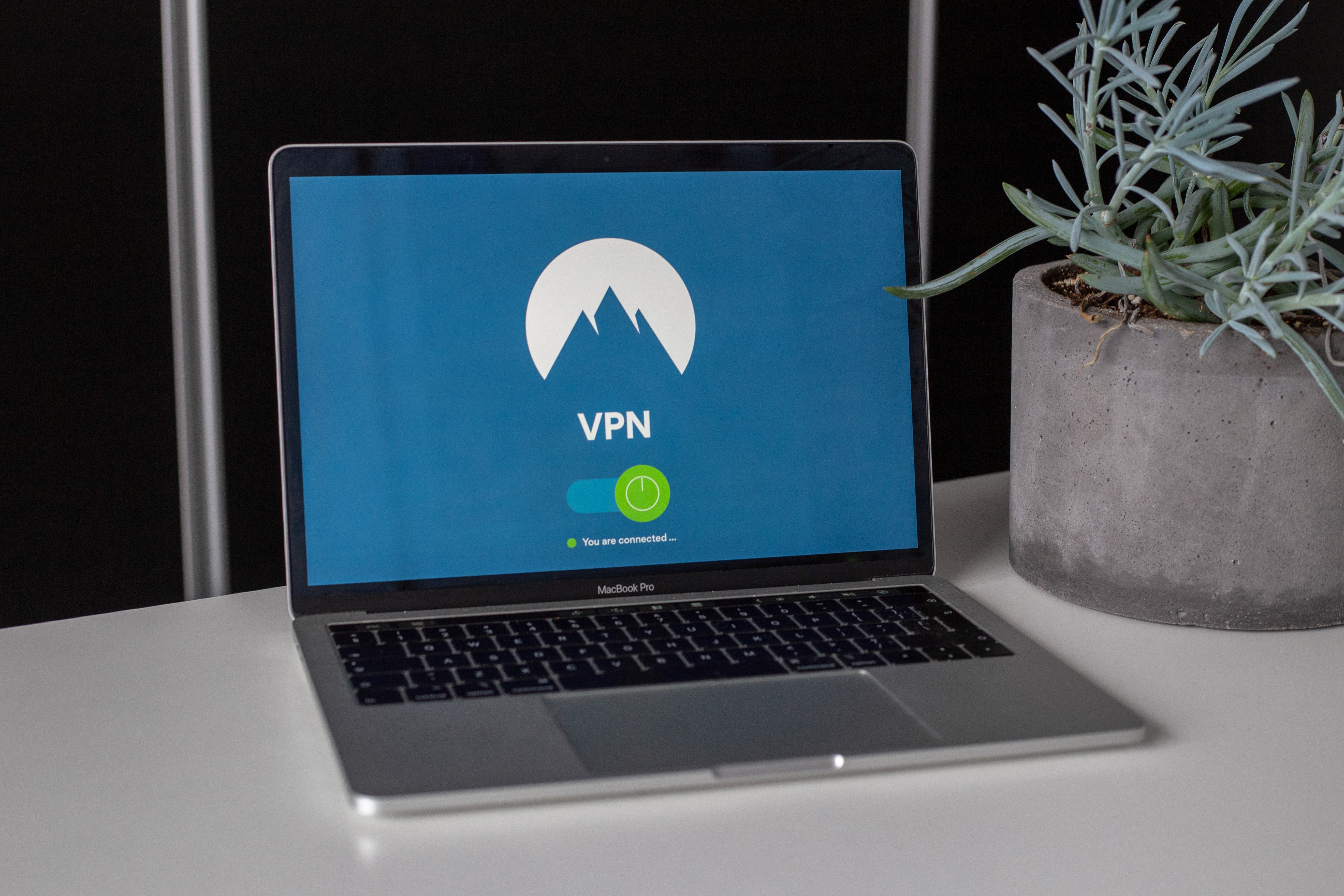


Virtual Private Networks (VPNs) have become an essential tool for businesses to protect their data and communications. A VPN provides a secure channel between two devices, allowing them to communicate safely and privately. This is particularly important when employees are working remotely or using public Wi-Fi networks.
Remote Access: Enabling employees to work outside the office
One of the primary benefits of using a VPN for remote access is security. When connected to a VPN, all data transfers are encrypted and secure. This means that sensitive information cannot be intercepted or accessed by unauthorized individuals. Additionally, businesses can set up two-factor authentication protocols to further enhance security.
In addition to security, using a VPN for remote access also improves productivity and efficiency. Employees can work remotely without any limitations and can collaborate with colleagues in real-time through video conferencing tools or chat applications.
If a business is attempting to adopt a ‘work-from-anywhere’ type of culture, a VPN is a fantastic asset to have in an operating environment.
Security: Protecting business data and communications

A VPN encrypts the information that is sent between devices, making it unreadable to anyone who intercepts it. So, if a hacker manages to access the network, they will not be able to read any of the data being transmitted. Also, VPNs can also mask the IP address of devices, making it harder for hackers to target specific machines or servers.
VPNs can help businesses comply with regulations such as GDPR or HIPAA. These regulations require companies to take adequate measures to protect sensitive personal information such as customer names, addresses and bank details. In environments with a distributed workforce, a VPN is a great tool to help keep business data and end-users secure.
Cost savings: Reducing expenses on hardware and maintenance
One major cost-saving benefit of using a VPN is that it eliminates the need for a WAN IP address. A WAN IP address is required for companies who want to have their own private network with multiple locations connected together. However, obtaining and maintaining a WAN IP can be costly and time-consuming. By using a VPN instead, companies can save money on these expenses while still being able to securely connect employees from different locations.
Furthermore, with a VPN in place, companies can reduce the need for physical infrastructure such as servers and routers at each location. This not only lowers hardware costs but also reduces maintenance expenses associated with on-premise equipment.
Many companies will have a WAN IP for each office they own. Businesses that are trying to move to an ‘officeless’ architecture will greatly benefit from an enterprise-level VPN.
Conclusion: Summarizing the benefits of a VPN for businesses
In conclusion, VPNs can provide numerous benefits to businesses of all sizes. By encrypting data and providing a secure connection, VPNs can protect sensitive information from cyber threats. Additionally, they allow remote workers to access company resources and collaborate with colleagues from anywhere in the world. Furthermore, VPNs can improve overall productivity by providing users with the ability to work from anywhere. As businesses continue to face challenges related to cybersecurity and remote work, implementing a VPN should be a top priority. Don’t wait until your business experiences a security breach – take action now and invest in a reliable VPN solution.
If you don’t know where to get started, please reach out to me to learn more!