Definition: What is a failover solution?
Failover solutions are an essential component in IT infrastructure, playing a crucial role in minimizing business risk. Companies use failover solutions to ensure that operations stay uninterrupted, potential disruptions caused by hardware failures are mitigated and software glitches or network outages are avoided. This proactive approach not only safeguards critical systems but also protects businesses from financial losses and reputational damage. By investing in reliable failover solutions, organizations can focus on their core competencies and strategic initiatives rather than worrying about potential IT disasters. Let’s explore this concept more below.
Failover solutions are an essential component in IT infrastructure, playing a crucial role in minimizing business risk. By incorporating failover, companies can ensure uninterrupted operations and mitigate potential disruptions caused by hardware failures, software glitches, or network outages. This proactive approach not only safeguards critical systems but also protects businesses from financial losses and reputational damage.
Benefits of failover solutions for businesses
One of the key advantages of failover solutions is their ability to provide instant data recovery in the event of a failure. By automatically switching to redundant systems or backup servers, businesses can seamlessly continue operations without experiencing significant downtime. This not only saves valuable time but also prevents revenue loss that could occur due to service interruptions. In addition, effective failover strategies enable companies to meet stringent service level agreements (SLAs), enhancing customer satisfaction and maintaining trust.
Types of failover solutions in IT
Ensuring business continuity in the face of unexpected disruptions is a top priority for organizations across industries. An effective way to achieve this is through implementing a range of failover solutions that address different layers of business operations. These solutions range from hardware redundancy and software-based mechanisms to network resilience and cloud-based options. Together, they form a comprehensive strategy designed to minimize downtime, maintain data integrity, and keep essential services running smoothly.
Hardware redundancy ensures business continuity by utilizing backup components like RAID arrays and dual power supplies. Software-based solutions like load balancing and database replication distribute workloads and data across multiple systems to mitigate the impact of single-point failures. Network solutions, including DNS and VPN failover, maintain connectivity and security by rerouting traffic and enabling backup firewalls. Cloud-based options like cloud storage and Disaster Recovery as a Service (DRaaS) leverage the scalability and geographic distribution of cloud resources to provide robust backup and recovery. Together, these layered failover solutions offer a comprehensive approach to safeguarding business operations across hardware, software, network, and cloud infrastructures.
Hardware Redundancy
- RAID Arrays: Disk mirroring and parity techniques to prevent data loss due to disk failure.
- Dual Power Supplies: In case one power supply fails, the other takes over.
- Clustered Servers: Multiple servers configured to take over for each other in case of failure.
Software-Based Solutions
- Load Balancing: Distributing network or application traffic across multiple servers to ensure no single point of failure.
- Virtualization: Using virtual machines that can be easily migrated to another physical host in case of failure.
- Database Replication: Keeping copies of databases that are updated live so that if one fails, others can take over.
Network Solutions
- DNS Failover: Automatically redirecting traffic to different server locations based on server health.
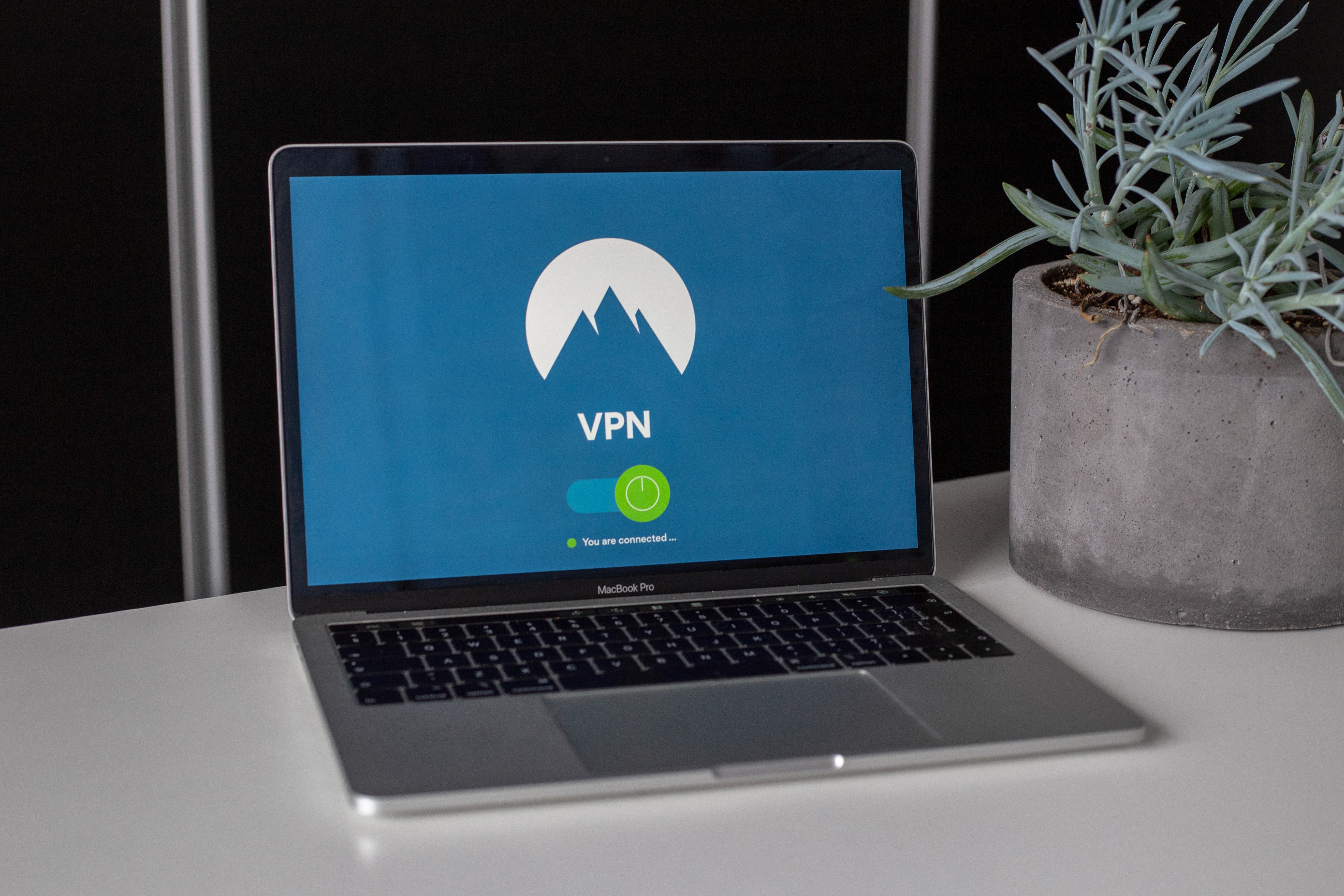
- VPN Failover: Using multiple internet connections to ensure that Virtual Private Network (VPN) access remains available.
- Firewall Failover: Dual firewalls that can take over for each other to maintain network security.
Cloud-Based Solutions
- Cloud Storage: Replicating data across multiple geographic locations to prevent data loss.
- Cloud Computing: Using cloud resources to quickly spin up new instances in case of server failures.
- Disaster Recovery as a Service (DRaaS): Third-party services that enable full data recovery and business continuity in the event of a disaster.
Conclusion: The Future of Failover

Overall, the future holds tremendous possibilities for failover solutions in IT. As organizations strive to deliver uninterrupted services to their customers and minimize downtime, investing in advanced failover technologies is not just an option but a necessity. By leveraging cutting-edge technologies like AI, cloud computing, and virtualization, businesses can build more resilient systems that are capable of effortlessly handling failures and providing exceptional availability – ultimately leading to happier customers and successful ventures.